

Queen Elizabeth II: Her Fashion Story
An introduction to Queen Elizabeth II's fashion collection.

By Caroline de Guitaut, Surveyor of The King's Works of Art
Reading time: 5 minutes
The fashion archive of Queen Elizabeth II is one of the most comprehensive single-owner collections of British fashion and the most extensive of any queen regnant or consort in the Royal Collection, numbering over 4,000 items.
What is in Queen Elizabeth II’s fashion archive?
The archive contains clothing and accessories of all types worn on the global stage during the Queen’s entire life from birth to her final years. Due to the period it spans, from 1926 until 2022, it also provides a remarkable and unique insight into the evolution of British fashion in the 20th century — from the demise of the court dressmaker in the early decades of the century to the rise of British couture from the 1930s and ultimately the establishment of the British fashion designer from the 1970s onwards.

The archive also contains correspondence and documentation which illustrates the working relationship between Queen Elizabeth II and the couturiers and suppliers she chose. Fashion sketches, some with fabric and embroidery swatches attached, demonstrate the Queen’s close involvement in her fashion choices and the process involved in the finest of couture production and craftsmanship.
Childhood clothing
Clear themes emerge from the collection, helping to define the unique requirements of dressing for different purposes and occasions. There are rare surviving items from childhood such as the dress worn by Princess Elizabeth aged one as well as the first pieces of couture made for her by leading British couturiers, Norman Hartnell and Edward Molyneux, in the 1930s.

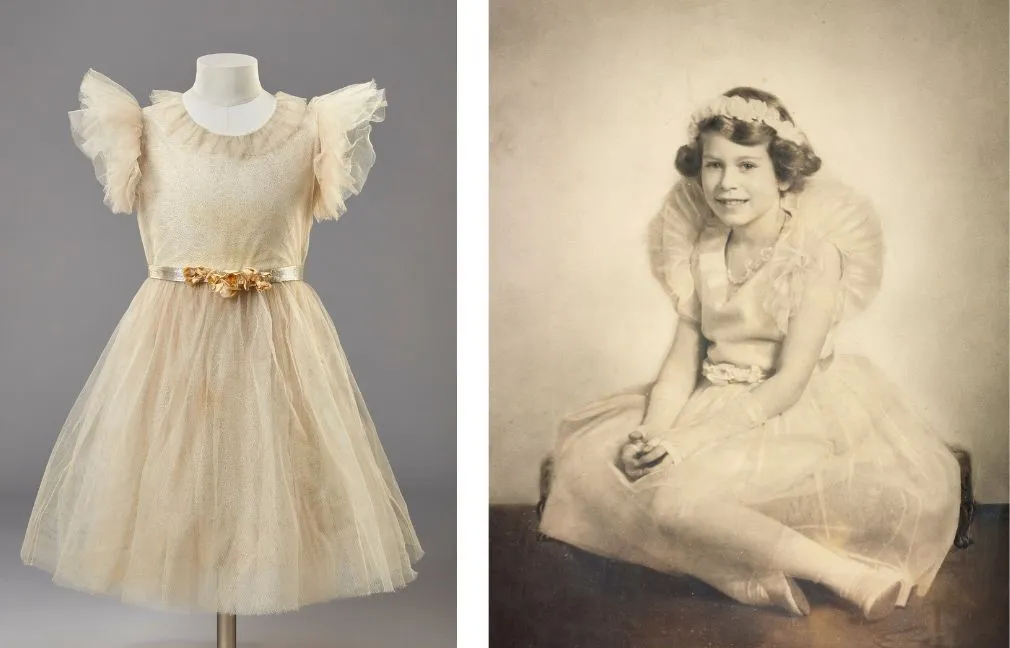
Princess Elizabeth
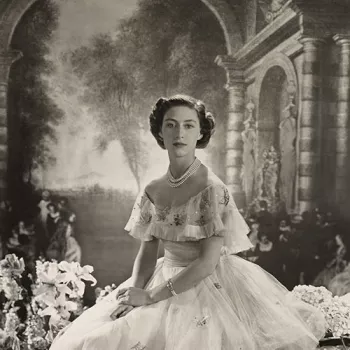
As the Princess reached adulthood in the 1940s, London couturiers were producing designs, including those supplied to Princess Elizabeth, which rivalled those being produced in Paris. The Princess’s clothes in this period were influenced by the ‘New Look’ silhouette created by Christian Dior in 1947.

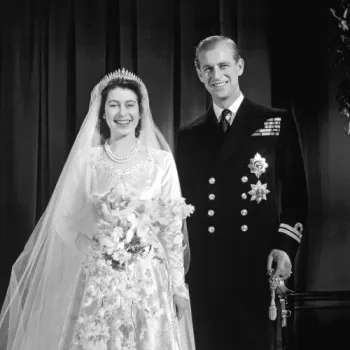
In the same year the marriage of Princess Elizabeth to Lieutenant Philip Mountbatten, the future Prince Philip, Duke of Edinburgh, called for a wedding dress of unique style and Norman Hartnell designed a magnificent gown of duchesse satin, richly embroidered with pearls to a design inspired by the sense of rebirth and renewal after the hardship of the Second World War. Hartnell would go on to design Queen Elizabeth II’s magnificent Coronation Dress, worn at Westminster Abbey in June 1953.


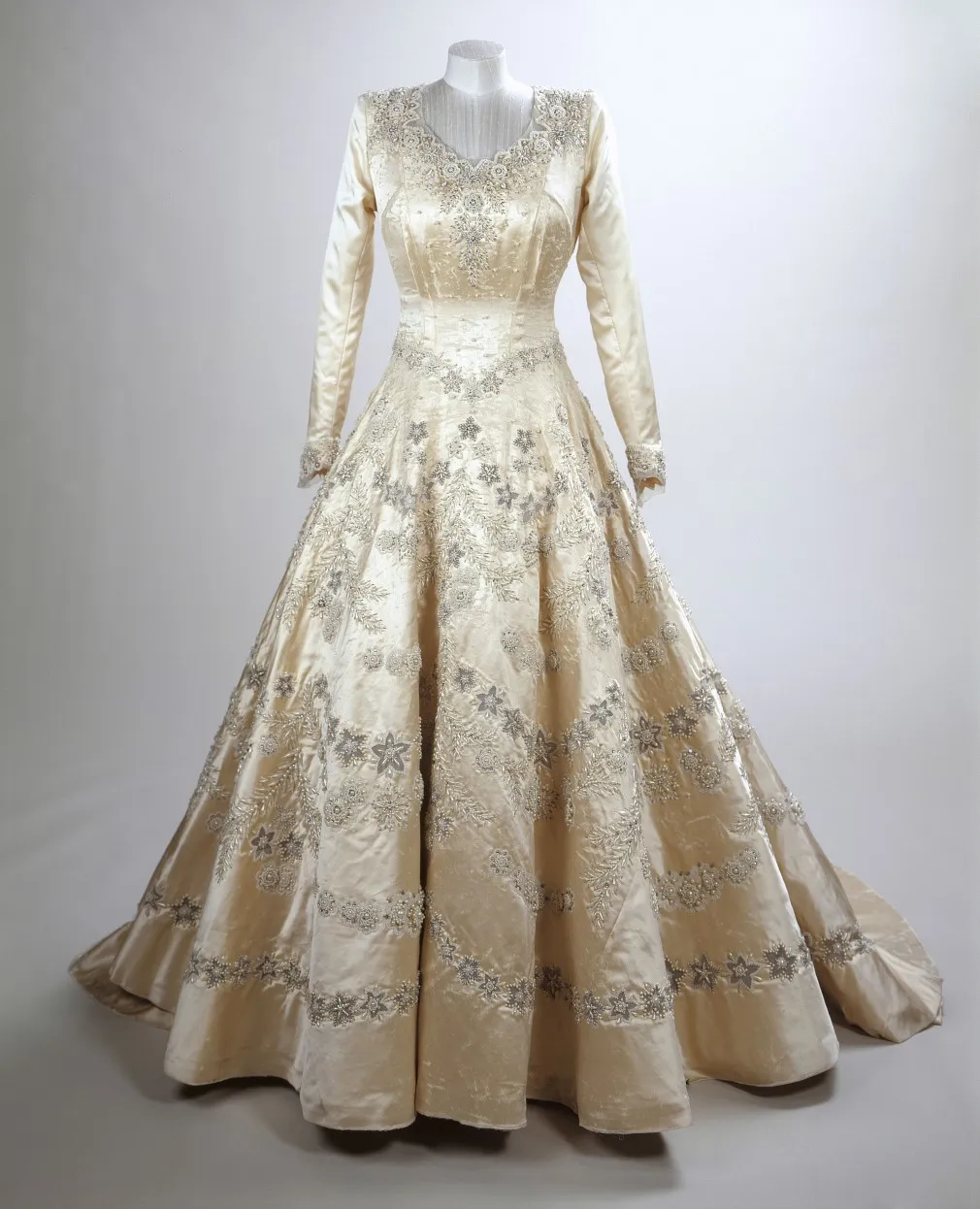
Royal tour wardrobe
A unique aspect of Queen Elizabeth II’s clothing was the production of wardrobes of clothes required for overseas tours, organised at the request of the British government throughout her reign. The Queen would determine her requirements and the couturiers and milliners commissioned would produce designs which often incorporated colours or embellishments which conveyed messages to the people of the country visited, for example by the incorporation of national emblems.


The rainbow Queen
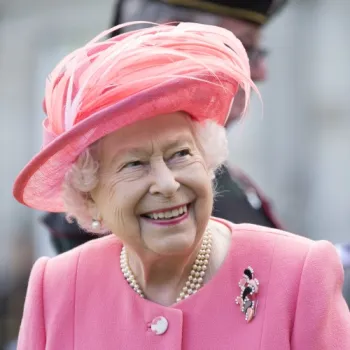
The Queen always understood the need to dress appropriately for official duties, enabling as many people as possible to see her when she was invariably surrounded by large crowds. The designers would use colour as a means of making the Queen visible and for daywear her ensembles always included a hat, usually brimless or with an upswept brim ensuring that her face was never obscured.

The archive contains daywear made over the decades in almost every colour of the rainbow, with matching millinery showcasing the best of British tailoring as well as the evolution of British couture millinery.


Evening wear
Evening gowns and dresses form a significant element of the collection, showcasing some of the finest craftsmanship in British couture production, from glamorous, richly embroidered crinoline dresses of the 1950s, to the softer silhouettes and fabrics reflecting the contemporary fashion of the 1970s.


How did Queen Elizabeth II influence fashion?
Queen Elizabeth II was known for her elegance and her signature style, whether worn for official engagements or during ‘off-duty’ moments, and this has influenced subsequent fashion designers in the United Kingdom and further afield, from Miuccia Prada and Alessandro Michele to Erdem Moralioglu and Richard Quinn.

From her support of the fledgling British couture industry in the 1940s and 50s, shown through her attendance at fashion shows organised by the Incorporated Society of London Fashion Designers (Incsoc), to the establishment of the Queen Elizabeth II Award for British Design in 2018, which the Queen personally presented to the first recipient during London Fashion Week - fashion played a continually important role in Queen Elizabeth II’s life.


Queen Elizabeth II: Fashion and Style
This beautifully illustrated book - the official centenary publication - offers an unprecedented look inside Queen Elizabeth II's royal wardrobe.
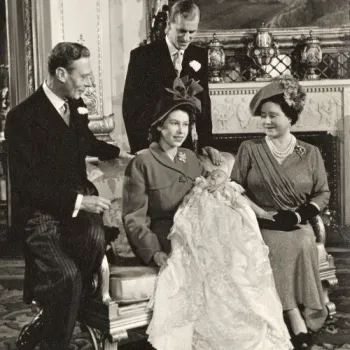
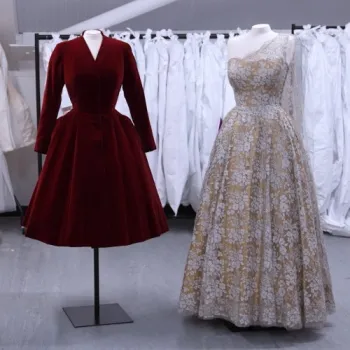

The Centenary of Queen Elizabeth II
Celebrate 100 years since Queen Elizabeth II's birth with our special exhibition and programme of events.


